
Your Guide to Preparing Your Orlando Roof for Hurricane Season
Living in our beautiful corner of Florida means enjoying sunny skies and warm weather year-round. It also means preparing for hurricane season, which runs from June 1st to November 30th. As any long-time resident knows, your roof is your home's primary shield against high winds and torrential rain. Ensuring it's in top condition isn't just a good idea—it's an essential part of protecting your family and your investment. At Palm Peak Construction Group, we've helped countless Orlando homeowners secure their properties before a storm, and we want to share our expertise with you. This guide provides a practical checklist to help you assess your roof's readiness and take proactive steps for a safer storm season.
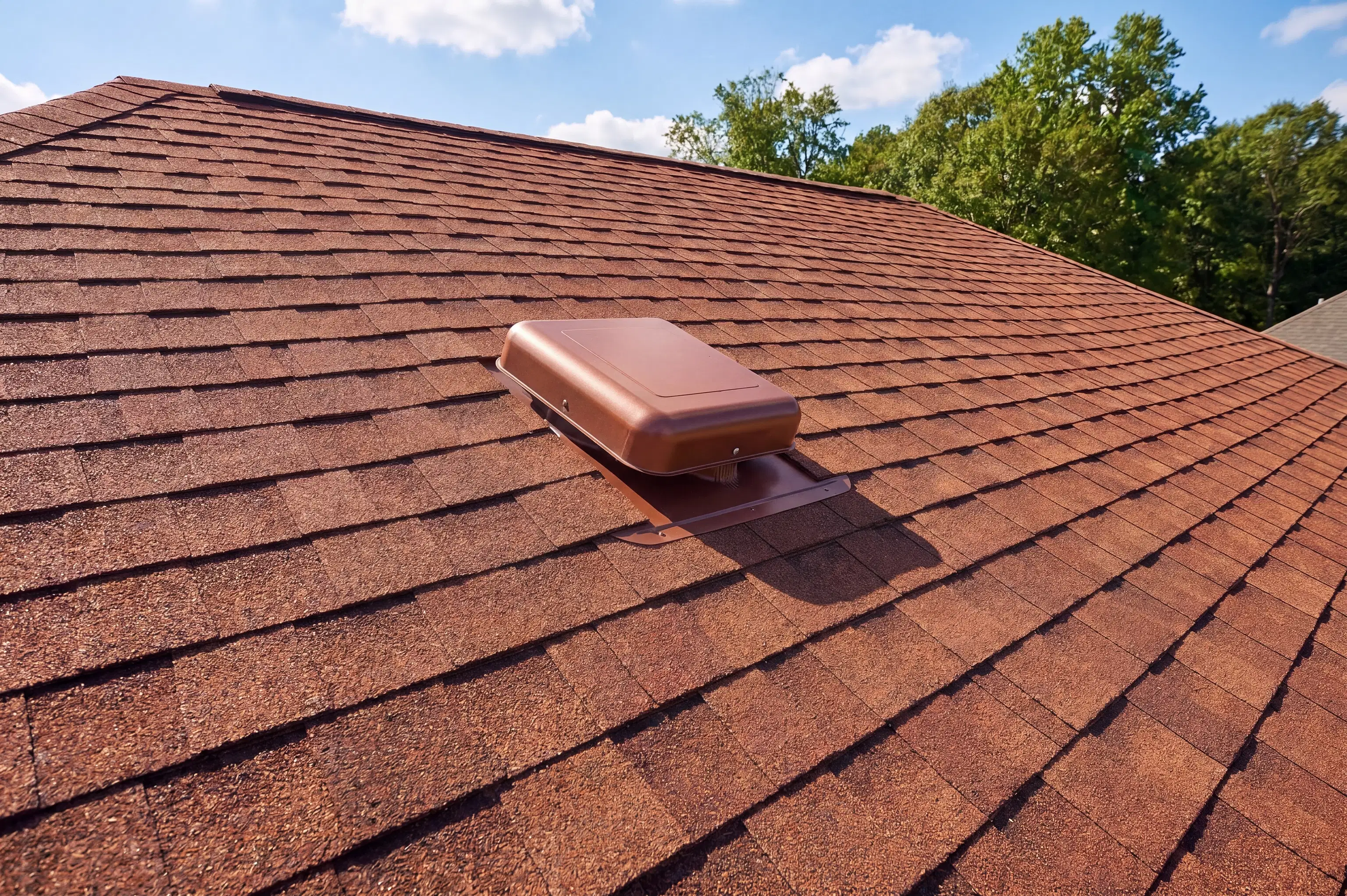
Why Your Roof is the First Line of Defense
A hurricane's force is immense. Wind speeds can create uplift pressure that tries to pull shingles and tiles right off your roof. At the same time, wind-driven rain can find its way into the smallest cracks or vulnerabilities, leading to significant water damage. A minor issue, like a single loose shingle or a small crack in the flashing, can quickly become a major problem during a severe storm. Proactive roof maintenance is the key to preventing catastrophic failure. By identifying and addressing these weak points before a storm is on the horizon, you significantly increase your home's ability to withstand the elements, ensuring the durability and longevity you depend on.
Your Pre-Season Roof Inspection Checklist
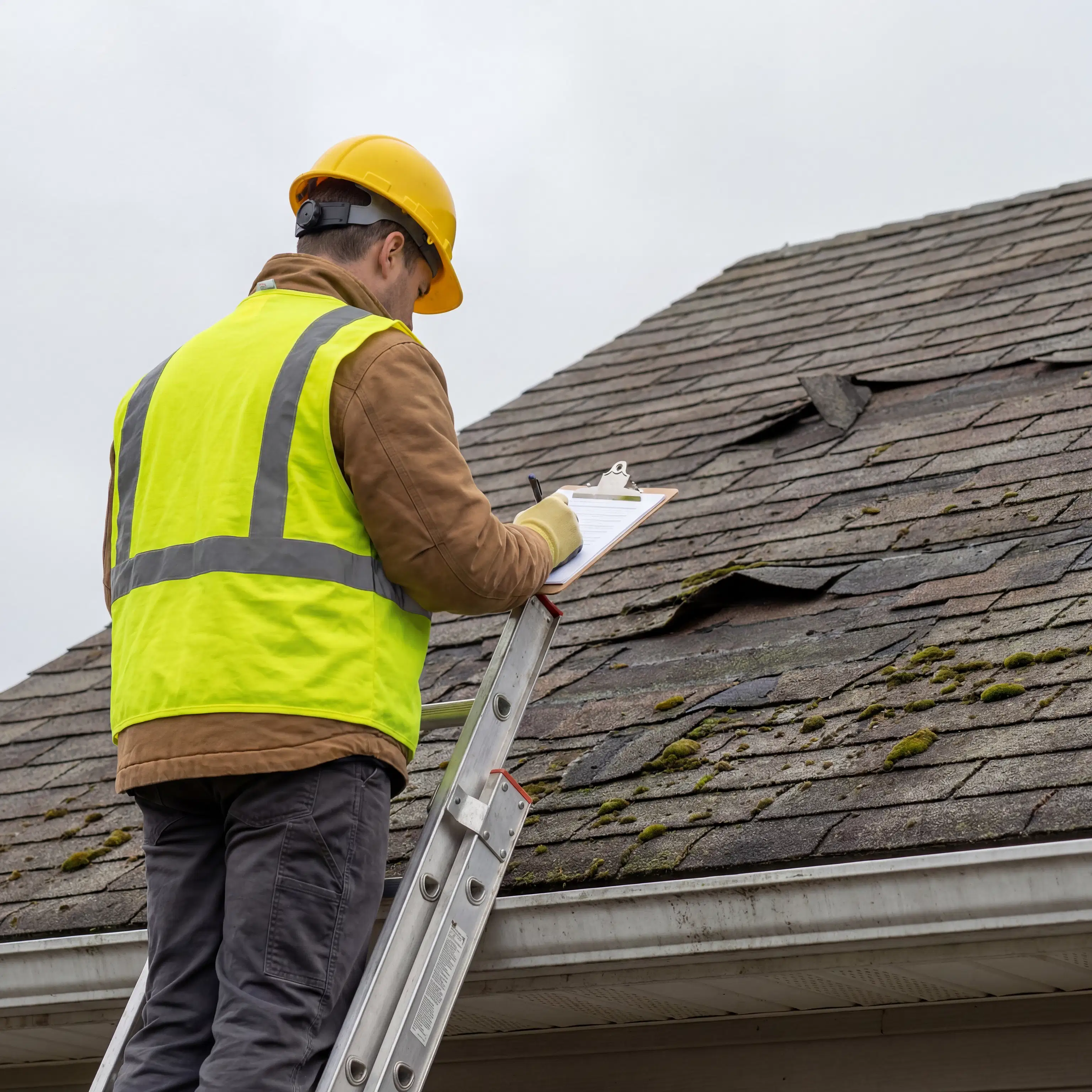
Before the season's first storm forms, take some time to walk around your property and, if you can do so safely, inspect your roof. A professional inspection is always recommended for a thorough assessment, but here are key things you can look for yourself:
- Shingles and Tiles: Look for any shingles that are cracked, curled, or missing. For tile roofs, check for any that are broken or have slipped out of place. These are direct entry points for water.
- Flashing Integrity: Flashing is the metal material installed around chimneys, vents, and skylights. Ensure it is secure, free of rust, and without any gaps. Damaged flashing is one of the most common sources of leaks.
- Gutters and Downspouts: Clean out any leaves, branches, or debris. Clogged gutters can cause water to back up under the edge of your roof, especially during those heavy afternoon showers, potentially damaging the underlying structure.
- Soffit and Fascia: Inspect the boards under your roof's overhang (soffit) and the boards the gutters are attached to (fascia). Look for signs of rot, pest damage, or sections that have pulled away from the house. Timely fascia and soffit repair is crucial for attic ventilation and structural integrity.
- Overhanging Branches: Trim any tree limbs that are hanging over your roof. In high winds, these can become dangerous projectiles, causing significant impact damage.
- Attic Check: Head into your attic with a flashlight and look for any signs of water stains, dark spots on the wood, or visible daylight coming through the roof. These are clear indicators of an existing leak that needs immediate attention.
Understanding Wind Mitigation and Its Benefits
If you live in Florida, you've likely heard the term wind mitigation. This refers to specific features and construction techniques that make your roof more resistant to damage from high winds. A wind mitigation inspection verifies these features, which can include a stronger roof-to-wall attachment, impact-resistant windows, and a specific roof deck nailing pattern. Not only does a well-mitigated roof provide superior protection, but it can also earn you significant discounts on your homeowner's insurance premiums. Investing in storm-resistant materials or upgrades isn't just about safety; it's a financially sound decision that adds value and resilience to your home.
When to Repair vs. When to Replace
After an inspection, you might wonder if a simple repair will suffice or if a full replacement is necessary. The answer depends on the age of your roof and the extent of the damage.
- Consider a Roof Repair: If your roof is relatively new (less than 10-15 years old) and the damage is isolated to a small area—like a few missing shingles or a single leak around a vent—a professional repair is often the most cost-effective solution.
- Consider a Full Roof Replacement: If your roof is approaching the end of its expected lifespan, shows widespread wear (like extensive granule loss on shingles), or has multiple leak points, a replacement is the wiser long-term investment. A new roof provides comprehensive protection, comes with a strong warranty, and gives you the ultimate peace of mind that your home is ready for whatever the season brings.
Ignoring widespread issues with patchwork repairs can become a costly cycle and leave your home vulnerable when it matters most. A trustworthy contractor can provide an honest assessment to help you make the best choice for your home and budget.
Be Proactive, Not Reactive: Schedule Your Inspection Today
Waiting until a hurricane watch is issued is too late. The best time to prepare your roof for storm season is now, when the skies are clear and you have time to make informed decisions. A proactive approach ensures you're not scrambling for emergency repairs in a panic. By following this checklist and partnering with a trusted local expert, you can face hurricane season with confidence.
Don't leave your home's safety to chance. The team at Palm Peak Construction Group is here to help our Orlando neighbors. Contact us today to schedule a free, no-obligation roof inspection and ensure your home is protected for the season ahead.