
Upgrading to a Secondary Water Barrier Roof Underlayment
Living in Orlando brings plenty of sunshine, but it also means dealing with extreme weather conditions. When it comes to protecting your home, the materials beneath your shingles are just as important as what you see on the surface. For homeowners planning a full roof replacement or building a new home, upgrading to a secondary water barrier roof underlayment is one of the smartest investments you can make.
Whether you are preparing for hurricane season or just want peace of mind during our daily summer downpours, understanding how your roofing system handles moisture is essential. Traditional roofing methods rely heavily on the outer layer to shed water, but modern building practices have introduced advanced ways to keep your home dry even if the primary roof covering is compromised.
What is a Secondary Water Barrier?
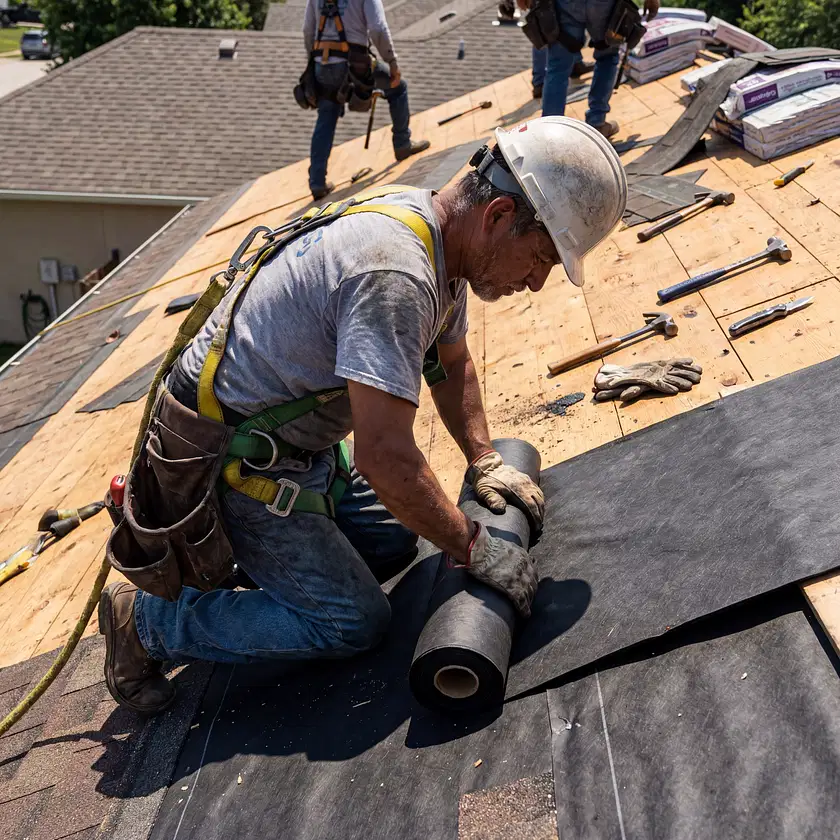
A secondary water barrier is an additional layer of defense installed directly onto the roof deck beneath the main roofing material. In the past, traditional asphalt-saturated felt was the standard. Today, many roofing companies recommend upgrading to advanced options, specifically when comparing peel and stick roof underlayment vs synthetic felt.
A peel-and-stick underlayment is a self-adhering modified bitumen membrane. Once applied to the roof deck, it seals around the nails used to attach the shingles, metal panels, or tiles. This creates a waterproof seal that prevents water intrusion. Synthetic felt is highly durable and tear-resistant compared to traditional felt, but the self-sealing nature of a peel-and-stick barrier offers unmatched protection against wind-driven rain. If a severe storm tears shingles off your roof, this secondary barrier ensures your home interior remains dry until roofing repair work can be completed.
Navigating Insurance and Wind Mitigation
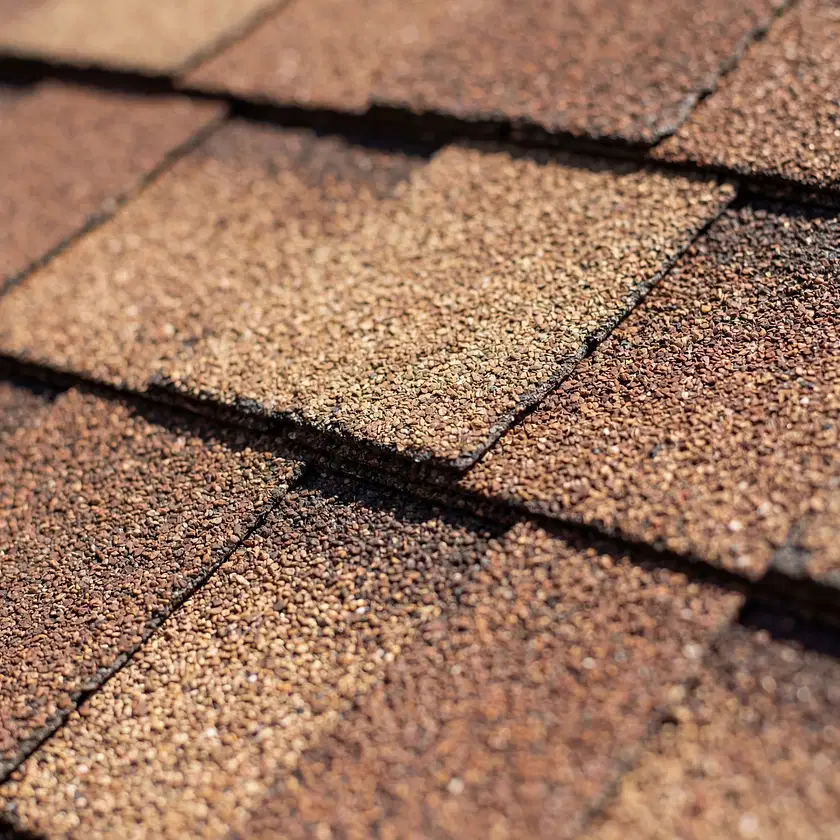
Upgrading your underlayment isn't just about stopping leaks; it can also have a significant impact on your finances. Many homeowners are surprised by how their roofing choices affect their insurance premiums. Florida has specific sealed roof deck requirements for wind mitigation, and installing a proper secondary water barrier is one of the most effective ways to meet these criteria.
When you complete a secondary water barrier installation during reroofing, a qualified inspector can document this upgrade on a wind mitigation form. Insurance companies frequently offer substantial premium discounts for homes with a verified sealed roof deck. Over time, these savings can help offset the initial roofing cost. Additionally, this upgrade provides immense value by reducing the risk of catastrophic water damage, which often leads to stressful, delayed payouts from insurance companies following major storms.
Long-Term Protection for the Rainy Season
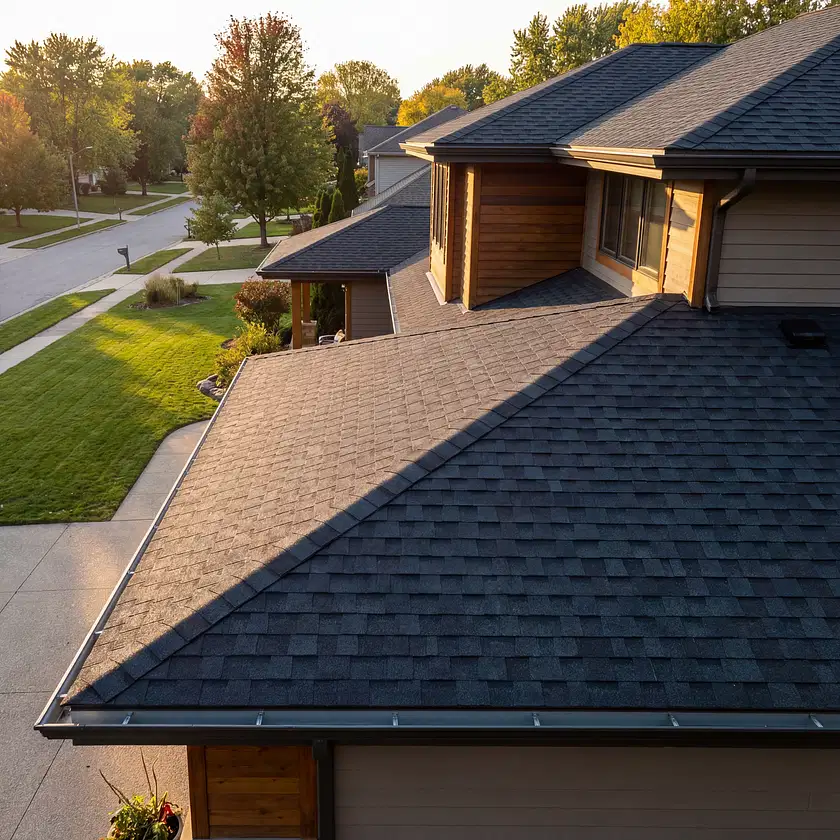
Unpredictable weather is a staple of our environment. The daily thunderstorms of the rainy season can quickly expose vulnerabilities in an aging roof. By incorporating a high-quality secondary water barrier into your project, you dramatically extend the lifespan and resilience of your entire roofing system.
At Palm Peak Roofing and Exteriors - A Palm Peak Construction Group Company, we are dedicated to helping our community build stronger, safer homes. We never cut corners when it comes to the safety of your family and property. Whether you are looking into a Full Roof Replacement for your current house or require expert guidance on New Construction projects, our team ensures every layer of your roof meets the highest standards of quality and compliance.
Don't wait until the next major storm to find out if your roof can handle the elements. Reach out to us through our Contact Us page today to schedule a comprehensive evaluation and learn more about how our advanced roofing services can protect your biggest investment.