
Understanding Roof Tear-Offs Versus Shingle Overlays
When it comes time to replace the roof over your head, the process can feel overwhelming. Homeowners in Orlando and throughout Central Florida frequently ask our team a critical question regarding their upcoming project: should we completely remove the old roof, or simply install new materials over the existing ones?
This decision is one of the most important you will make for your home. It directly impacts your initial roofing cost, the longevity of the installation, your home's structural safety, and even your warranties. Because we experience intense weather patterns, from scorching summer heat to our volatile hurricane season, choosing the right method is essential for long-term peace of mind.
In the roofing industry, these two methods are known as a "tear-off" and an "overlay." Let's break down the differences, pros, and cons to help you make the best decision for your family and your property.
What is a Shingle Overlay?
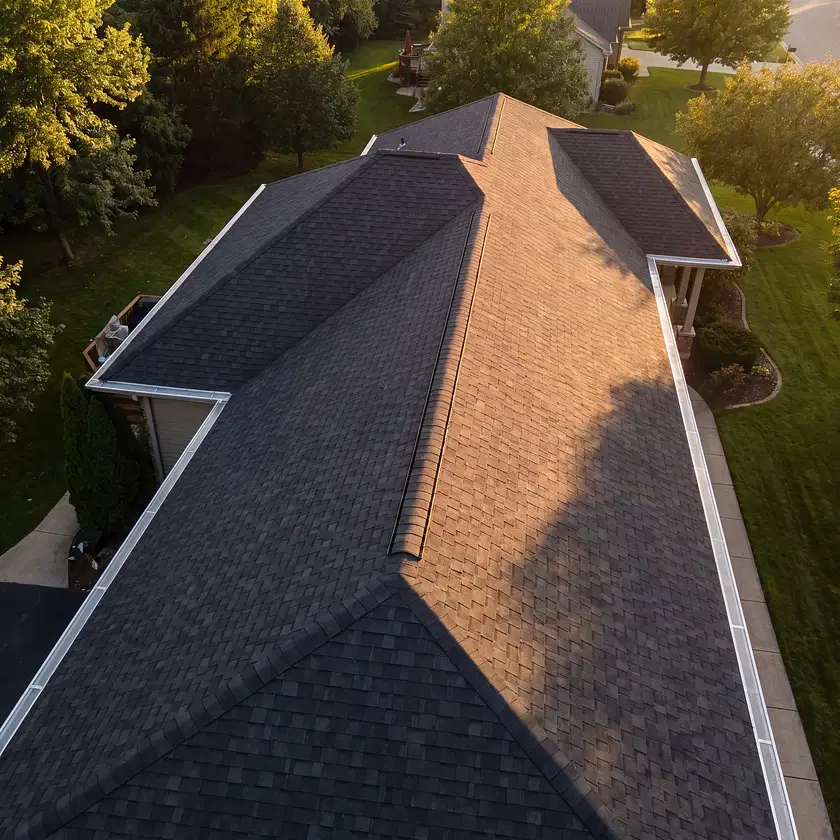
A very common question we hear during consultations is, "can you shingle over existing shingles?" Technically and legally, in some municipalities, building codes do allow for a second layer of asphalt shingles to be installed directly over a single existing layer. This process is called an overlay.
The Appeal of an Overlay
The primary reason homeowners consider an overlay is the perceived savings. Because the original roof remains in place, roofing companies spend less time on demolition and disposal. This reduces labor costs and dumpster fees, making it seem like an attractive option for affordable roofing. It is also a faster process, meaning the crew will be out of your yard a bit quicker.
The Hidden Dangers of Overlays
While the upfront savings might sound appealing, the long-term drawbacks are significant. Adding a second layer of shingles adds thousands of pounds of extra weight to your home's structural framing. In an older home, or one with a sprawling Florida room addition, this added stress can be detrimental.
Furthermore, overlays tend to trap heat. In the Sunshine State, excess heat trapped between layers of asphalt can prematurely bake the new shingles, drastically reducing their expected lifespan. Most importantly, choosing an overlay introduces the massive risk of hidden decking damage under shingle overlays. If your roof has suffered from a previous leak during the rainy season, the wooden decking underneath could be rotting. An overlay merely acts as a band-aid, covering up rotting wood without addressing the structural failure. If you suspect localized damage, a targeted roof repair is almost always a better first step than just covering the entire roof blindly.
What is a Full Roof Tear-Off?
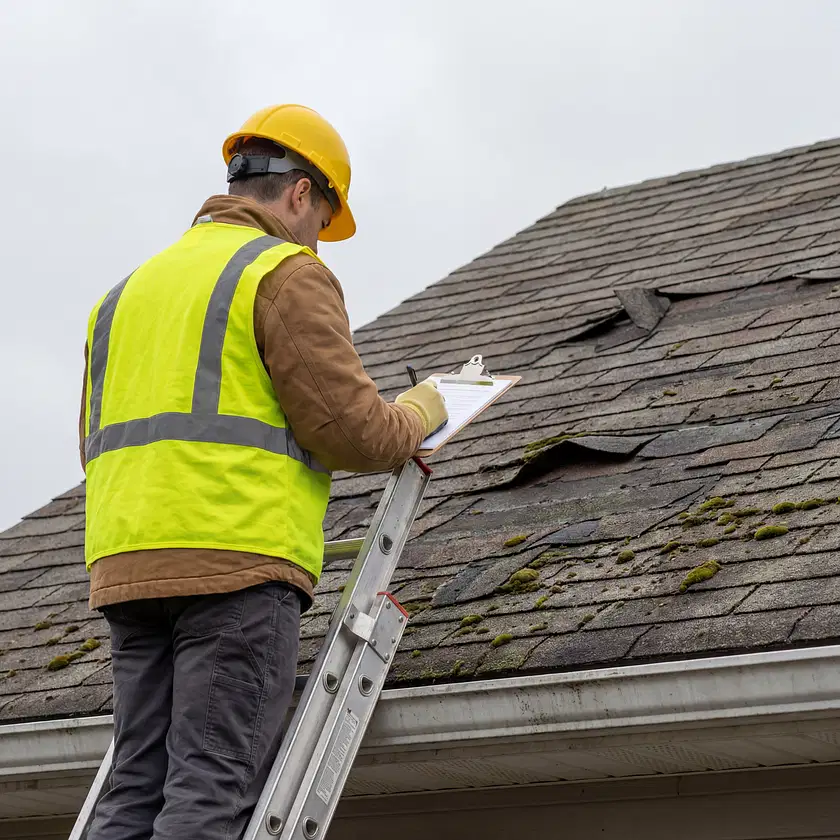
A tear-off is exactly what it sounds like: the roofing crew removes all existing shingles, underlayment, and nails right down to the bare wooden roof deck. Once the deck is exposed, the entire system is rebuilt from the ground up.
Why a Tear-Off is the Industry Standard
When looking at a roof tear off vs overlay comparison, the tear-off is almost universally recommended by reputable contractors. The most critical advantage of a tear-off is visibility. Stripping the roof down to the wood allows your contractor to thoroughly inspect the structural integrity of your home. Any rotted wood, soft spots, or water-damaged decking can be safely removed and replaced.
By ensuring the foundation of your roof is completely solid, you are preparing your home to withstand high winds and severe weather. This process also allows for the installation of modern, high-performance underlayment and water barriers—technologies that have advanced significantly over the last decade.
Additionally, a full roof replacement that includes a complete tear-off ensures that your new materials will lay perfectly flat, providing that crisp, clean aesthetic that enhances your home's curb appeal. It also guarantees that you will be eligible for comprehensive manufacturer warranties, which are often voided if materials are installed over an existing roof.
Navigating Cost, Warranties, and Trust
We know that homeowners are often skeptical of the roofing industry due to fly-by-night "storm chasers" who push quick fixes. As a homeowner, you deserve transparent, detailed, and accurate pricing estimates. While a complete tear-off represents a larger upfront investment, it is the only way to truly guarantee the safety and longevity of your home.
Many homeowners worry about how to manage these costs. A trustworthy contractor will not push you into a dangerous overlay just to win a cheap bid; instead, they will offer flexible financing options and guide you through the process, even helping to determine if homeowners insurance might cover the cost if the replacement is due to recent storm damage.
When you invest in a proper tear-off and replacement, you benefit from two distinct protections: a robust manufacturer warranty on the physical shingles and materials, and a contractor workmanship warranty that guarantees the quality of the installation. With an overlay, you risk losing both.
Making the Right Choice for Your Home
Ultimately, cutting corners on a roof replacement rarely pays off. Protecting your home, your family, and your investment means starting with a solid foundation. If your roof is nearing the end of its lifespan, don't let hidden rot or trapped heat compromise your property.
At Palm Peak Roofing and Exteriors - A Palm Peak Construction Group Company, we pride ourselves on honest assessments, premium craftsmanship, and treating every home as if it were our own. We utilize the latest technology to provide accurate estimates so you know exactly what to expect without any hidden surprises.
If you are evaluating your options and want a professional opinion on the state of your current roof, we are here to help you navigate the process. Contact Palm Peak Roofing and Exteriors today to schedule a thorough inspection, and let us ensure your Orlando home is fully protected for the decades to come.