
Protecting Your Home: Preventing Fascia Damage with Drip Edge Flashing
When the afternoon clouds roll in during the daily summer downpours of our rainy season, your roof is your home's first line of defense. Most homeowners in Orlando understand the importance of sturdy shingles and leak-free ceilings, but there is a quiet, often overlooked component working just as hard to protect your property: your drip edge flashing.
Without this essential piece of metal, rainwater doesn't just fall harmlessly to the ground. Instead, it can curl back underneath your shingles, leading to severe moisture intrusion along your roofline. At Palm Peak Roofing and Exteriors, we often see the costly aftermath of inadequate water diversion. By understanding how drip edge flashing works in tandem with your gutters and fascia, you can save yourself from expensive repairs and ensure your roof is ready for whatever the weather throws our way.
The Silent Threat to Your Roofline
Your fascia board is the long, straight board that runs along the lower edge of the roof. It’s what your gutters are attached to, and it gives your roof a finished, appealing look. Unfortunately, because of its location, it is highly susceptible to water damage if runoff isn't managed correctly. Preventing fascia board rot behind gutters is one of the most critical aspects of roof longevity.
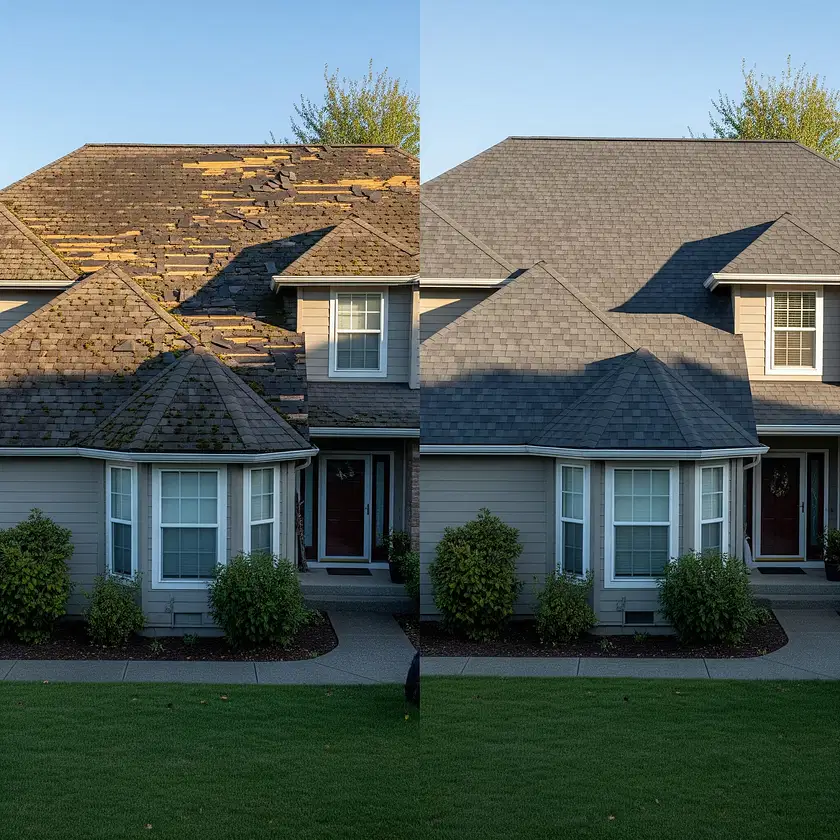
When water flows off the roof without a proper drip edge, surface tension causes it to cling to the underside of the shingles and run directly down the face of the fascia board. Over time, this constant exposure leads to wood rot, peeling paint, and weakened structural integrity. In our region, where hurricane season brings driving, horizontal rains, the state has recognized this vulnerability. That is why the florida building code drip edge requirements dictate that this flashing must be installed on all new roofs to ensure a continuous water barrier. Adhering to these strict local building codes not only keeps your home safe but also ensures your insurance coverage remains intact.
Installation Matters: Doing It Right the First Time
A common question we hear from homeowners looking to upgrade their exterior is about the differences in flashing profiles, specifically gutter apron vs drip edge flashing. While both serve to direct water into the gutter system, a true drip edge has a distinct protruding lip that actively forces water away from the fascia. A gutter apron is generally flatter and is sometimes used on lower-sloped roofs, but for standard residential roofs, a high-quality drip edge is typically the superior choice for preventing moisture intrusion.
Proper drip edge installation over fascia board requires precision and expertise. The flashing must be installed under the roofing underlayment along the eaves, but over the underlayment along the rake edges (the sloped sides of the roof). This creates a shingling effect that guarantees water flows over the materials, never behind them. If you've noticed water dripping behind your gutters or suspect your existing boards are softening, it might be time to have professionals evaluate your Fascia & Soffit alongside your Gutters to ensure they are working together flawlessly.
Partner with Local Roofing Experts
Navigating unpredictable weather conditions means you need a roofing system built to last. Many out-of-state storm chasers cut corners by omitting proper flashing or ignoring regional building codes to save time. At Palm Peak Roofing and Exteriors - A Palm Peak Construction Group Company, we pride ourselves on exceptional workmanship, clear upfront pricing, and ensuring that every layer of your roof meets the highest standards for safety and durability.
Don't wait until water damage has compromised your home's exterior. Whether you need a comprehensive roof inspection to check your flashing, or a complete overhaul of your roofline drainage system, we are here to help. Contact us today to schedule a consultation with our Orlando team and ensure your home is fully protected before the next major storm hits.