
Optimizing Commercial Flat Roof Drainage Systems
For property managers and building owners, maintaining a commercial facility is a high-stakes balancing act. Between managing operational budgets and keeping tenants happy, the last thing anyone wants to deal with is unexpected water intrusion. Here in Orlando, our unpredictable weather patterns and intense summer downpours put roofing systems to the ultimate test. A building's first line of defense against these elements isn't just the membrane covering the top—it is the efficiency of its drainage system.
Properly managing water runoff is critical for the longevity of your property. When a flat roof fails to shed water efficiently, the resulting structural and financial damages can be overwhelming. Understanding how to optimize your drainage setup is essential for protecting your investment, minimizing sudden emergency repair costs, and ensuring your business operations continue without a hitch. In this guide, we will explore the critical role of water management, compare different drainage solutions, and highlight how proactive maintenance with professional commercial roofing can save you thousands of dollars in the long run.
The Hidden Dangers of Ponding Water
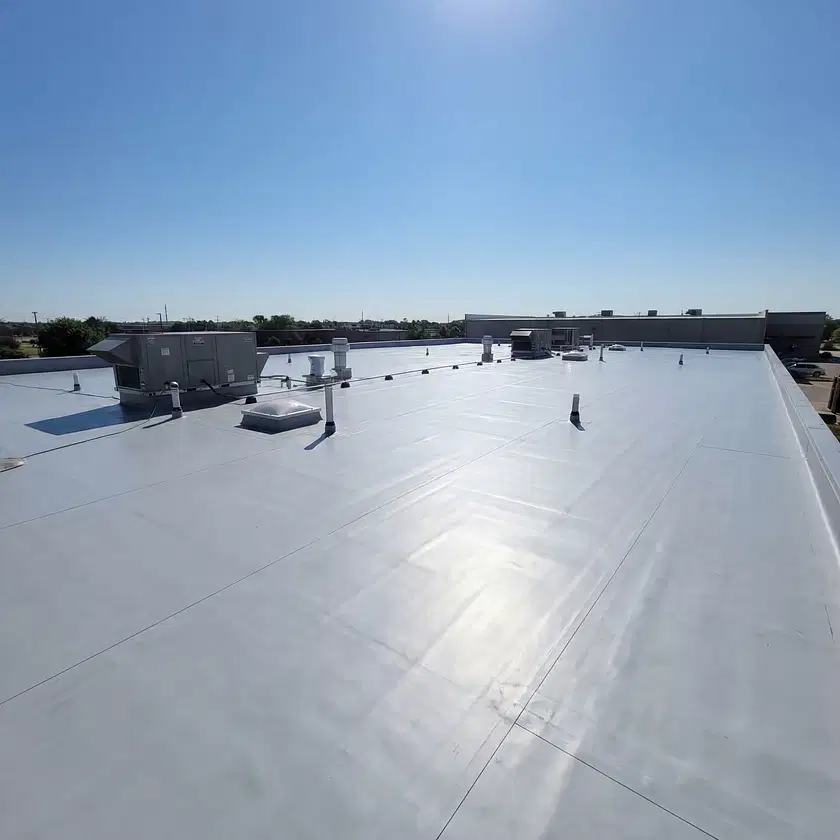
One of the most destructive forces a flat roof faces is ponding water. By industry standards, water that remains on a roof for more than 48 hours after a rainstorm is considered ponding. This standing water acts like a magnifying glass under the intense sun, accelerating the degradation of roofing materials. Over time, the constant presence of moisture breaks down seams, weakens adhesives, and inevitably leads to leaks.
Fixing commercial flat roof ponding water requires a thorough understanding of the building's slope and structural limits. If left unaddressed, the sheer weight of standing water—which equals about five pounds per inch of depth per square foot—can cause the roof deck to sag. This sagging creates a deeper depression, inviting even more water to accumulate during the next storm. Eventually, this compounding issue can compromise the structural integrity of the entire building, leading to massive financial strain and operational downtime. To avoid these catastrophic failures, property owners must ensure their commercial roof drainage system requirements are met and correctly calibrated for the specific square footage of their facility.
Comparing Commercial Drainage Solutions
Every commercial building is unique, and selecting the right drainage mechanism depends on the architectural design, roof slope, and local climate. Generally, there are three main types of systems utilized to move water off a flat roof.
When evaluating scuppers vs internal roof drains, it is important to understand their distinct advantages. Scuppers are openings placed along the perimeter walls or parapets that allow water to simply flow off the edge into a downspout. They are highly cost-effective, easy to maintain, and rarely clog if sized appropriately. However, they are only effective if the roof is properly pitched toward the edges.
Internal roof drains, on the other hand, are located near the center of the roof or in designated low spots. They connect to pipes hidden within the building's interior walls, channeling water directly into the municipal sewer or ground drainage system. While internal drains are excellent for massive buildings where perimeter drainage isn't feasible, they are more complex to repair and require strict maintenance to prevent hidden blockages.
Finally, edge drainage relies on high-capacity gutter systems. Box gutter installation for commercial buildings is a highly durable solution for managing massive volumes of water. Because commercial roofs catch significantly more rainfall than residential homes, standard gutters simply won't cut it. Custom-fabricated, heavy-duty gutters provide the necessary capacity to swiftly move water away from the foundation, preventing erosion and preserving the building's exterior envelope.
Proactive Maintenance and Modern Technology
Designing the perfect drainage system is only half the battle; maintaining it is where many property managers fall behind. As we approach the unpredictable Hurricane Season, ensuring that your scuppers, internal drains, and gutters are completely free of debris is critical. Leaves, branches, and dirt can quickly accumulate, transforming a perfectly engineered drainage system into a localized flood hazard.
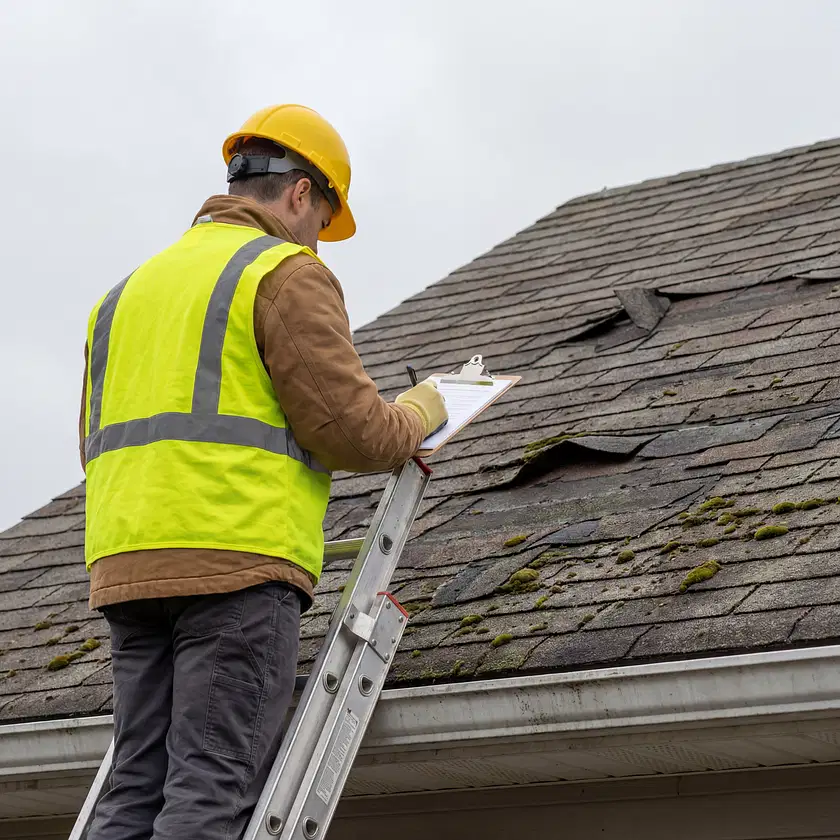
Routine inspections are the best way to catch these issues before they escalate. It is highly recommended to have a professional evaluate your roof at least twice a year, particularly before the intense daily downpours of the local Rainy Season begin. Today, leading roofing companies are utilizing advanced technology to make this process safer, faster, and more accurate. Drone-based roof inspections and 3D aerial modeling allow technicians to safely map out water flow patterns, precisely identify areas of ponding, and pinpoint structural sagging without putting boots on a fragile membrane.
During these routine evaluations, a qualified technician will also check the seals around your internal drains, inspect the flashing near scuppers, and clear out any blockages in your box gutters. They can provide transparent, detailed pricing estimates for any necessary repairs, giving you the time to budget accordingly rather than forcing you to pull from emergency funds when a sudden leak occurs.
Protect Your Investment for the Long Haul
Optimizing your commercial drainage setup is not an area where shortcuts pay off. From navigating the complexities of local building codes to ensuring comprehensive insurance compliance, working with a licensed and deeply experienced team is non-negotiable. Quality materials paired with expert workmanship and robust warranties guarantee that your facility will remain dry, safe, and fully operational regardless of what the weather brings.
If you are unsure whether your current drainage system is up to par, or if you have noticed signs of standing water on your facility, now is the time to act. Don't wait for a minor ponding issue to become a major structural crisis. The team at Palm Peak Roofing and Exteriors - A Palm Peak Construction Group Company is dedicated to providing transparent, high-quality roofing services tailored to the unique needs of property owners in Central Florida. Contact us today to schedule a comprehensive roof evaluation and ensure your building is ready to weather any storm.