
How Roof Age Affects Florida Home Insurance
If you own a home in Orlando, you are likely well aware of the shifting and often stressful landscape of property insurance. The ongoing property insurance crisis has left many homeowners scrambling for answers, and one of the biggest factors insurers are scrutinizing right now is the age of your roof. Whether you are purchasing a new home, shopping around to switch providers, or simply trying to renew your current policy, the condition and age of your roof play a massive role in your coverage eligibility and your monthly premiums.
For many residents in The City Beautiful, a roof is not just a structural component; it is the primary shield against unpredictable weather, intense sun, and seasonal storms. As insurance companies tighten their guidelines to mitigate their own financial risks, homeowners are caught in the middle, trying to understand what is required to keep their properties protected. Let's dive into exactly how roof age affects your policy, why insurance companies are drawing such hard lines, and what actionable steps you can take to protect your home and your wallet before your next renewal date.
The 10 to 15-Year Rule for Florida Roofs
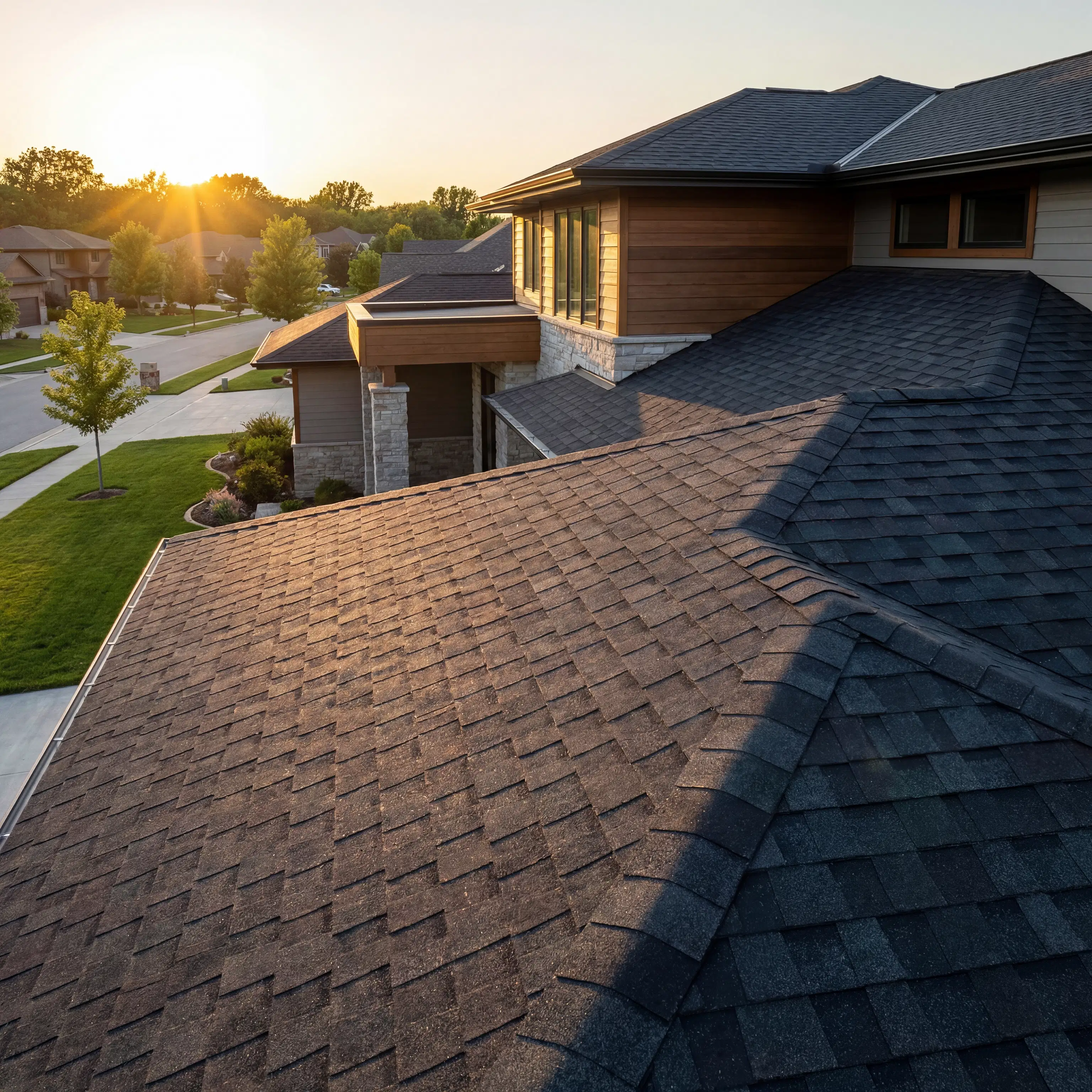
In the past, a standard asphalt shingle roof might have comfortably carried a homeowner through two decades of insurance coverage without the carrier batting an eye. Today, the reality is drastically different. Insurance companies are increasingly implementing strict florida home insurance roof age limits to minimize their exposure to costly claims. In many cases, insurers are refusing to renew existing policies—or denying new coverage altogether—for homes with roofs older than 10 to 15 years.
This dramatic shift is primarily driven by the severe weather we experience in the region. As roofing materials age, they naturally degrade, losing their flexibility and structural integrity. This makes them significantly more susceptible to damage from high winds, hail, and the inevitable 3 PM downpour we see all summer long. Insurers view an aging roof as a major liability. Even if your 14-year-old roof looks perfectly fine from the driveway and has never leaked, the underwriter's actuarial tables consider it a high risk for failure during the next major storm. If your roof is approaching that critical 15-year mark, you might find yourself facing a sudden insurance non-renewal notice. Being proactive rather than reactive is the best way to maintain continuous coverage and avoid a stressful scramble for an expensive, last-minute policy.
Wind Mitigation and Upgrading for Better Premiums
When considering how roof age affects home insurance coverage, it is not just about the literal passing of time; it is also about outdated building codes. Older roofs were simply not built to the rigorous standards required today. Florida Building Codes have become much stricter over the last decade, specifically regarding wind mitigation, secondary water barriers, and hurricane-resistant installation methods.
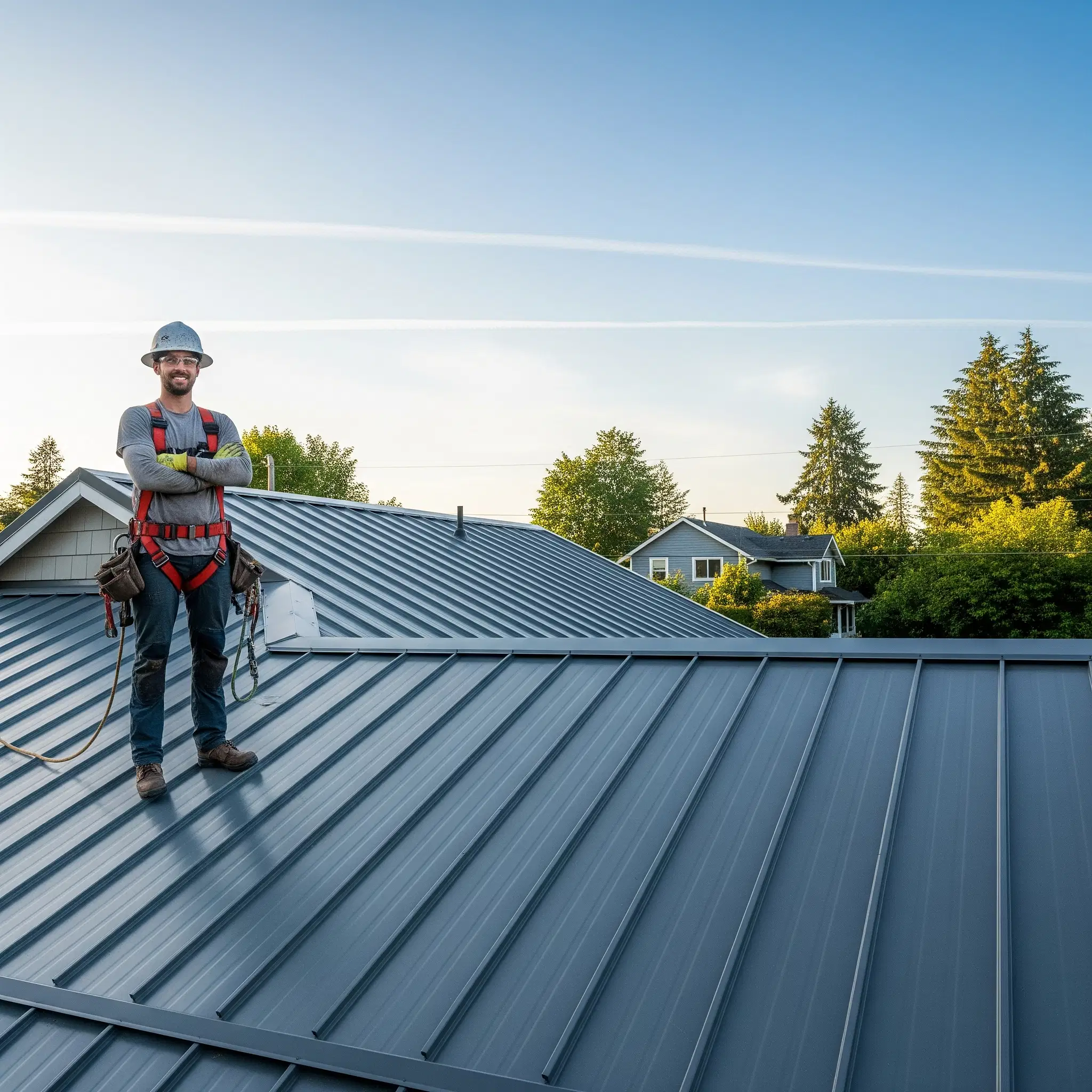
This is where a modern roof upgrade can actually work heavily in your favor. Having a certified inspector evaluate your property can reveal significant wind mitigation inspection roof replacement benefits. By upgrading to newer, storm-resilient materials—such as premium architectural shingles, synthetic slate, or a standing seam metal roof—you are bringing your home up to current high-velocity hurricane zone standards. Insurers reward these upgrades because they drastically reduce the risk of catastrophic failure during a severe weather event. In many cases, providing your insurance carrier with documentation that your home meets these modern wind mitigation standards can lead to substantial discounts on your annual premium, helping to offset the initial investment of the project over time.
Knowing When to Repair and When to Replace
Homeowners often wonder if they can simply patch up a few problem areas instead of tearing off the entire system. If your roof is relatively young and has suffered isolated damage from a recent storm or a fallen branch, scheduling a professional roof repair is usually the most cost-effective and sensible solution. Prompt repairs keep minor leaks from turning into major structural issues, satisfying your insurance provider's requirement for proper ongoing home maintenance.
However, if you are facing a mandated roof replacement for insurance non renewal because of age, patching it up will not satisfy the underwriter. Insurers closely track the original installation date and the expected functional lifespan of the materials used. If the system has outlived its approved timeline according to the insurer's guidelines, a full roof replacement is often the only path forward to secure standard coverage. Furthermore, if you live in an HOA-governed community like Lake Nona, you will need to ensure your new roofing materials and colors comply with strict local aesthetic guidelines while simultaneously meeting the rigorous durability standards demanded by your insurance carrier.
Navigating the Claims and Financing Process
Dealing with insurance companies can be incredibly frustrating, especially when your home's protection is on the line. The claims process is notoriously complex, and navigating delayed payouts or heavily scrutinized claims can strain both your finances and your patience. If your roof was damaged by a specific covered peril—such as a severe windstorm—your homeowners insurance might cover the replacement. However, if the damage is deemed to be the result of age and general wear and tear, the cost will likely fall entirely on your shoulders.
This is why proper documentation, routine maintenance, and regular professional inspections are vital. Partnering with a reputable, licensed contractor who understands the intricacies of the Florida insurance landscape can make a world of difference. A knowledgeable team can help you document the exact condition of your roof, navigate the complex paperwork, and provide the precise, detailed estimates that insurance adjusters require to process claims smoothly. Additionally, for homeowners who need to replace an aging roof out-of-pocket to retain their insurance, exploring flexible financing options can help make the necessary upgrades much more manageable.
Protect Your Home and Your Coverage
Your roof is your home's most critical line of defense against the elements, and in The Tri-County Area, those elements can be incredibly fierce. Staying ahead of changing insurance requirements by actively monitoring the age and condition of your roof is essential for maintaining affordable, reliable coverage. Don't wait for a frustrating non-renewal letter to arrive in the mail, or for a heavy summer storm to expose hidden vulnerabilities that could have been prevented.
If you are unsure how your current roof is impacting your policy, or if you simply want peace of mind before hurricane season arrives, the experienced team at Palm Peak Construction Group is here to help. Contact us today to schedule a comprehensive evaluation, explore your repair or replacement options, and ensure your home remains fully protected for years to come.